300+ broker & prop-firm ecosystem
Multi-Broker CFD Trading, Portfolio & Quant Intelligence
for active investors & professional traders.
Research. Portfolio. Risk. Execution. One platform.
Hedgtrade combines proprietary quantitative intelligence & data-driven research with consolidated multi-broker portfolio management, portfolio-level risk and integrated trade execution (300+ broker dealers*).
*Underlying connectivity ecosystem. Availability depends on broker, account, authorization, jurisdiction and rollout status.
Stop stitching together research tools, portfolio screens, quant software and broker terminals.
Most serious traders assemble an operating stack one subscription at a time. Research lives in one place, charts in another, systematic tools somewhere else, and every broker has its own account view. Hedgtrade is designed to bring those categories together around the portfolio.
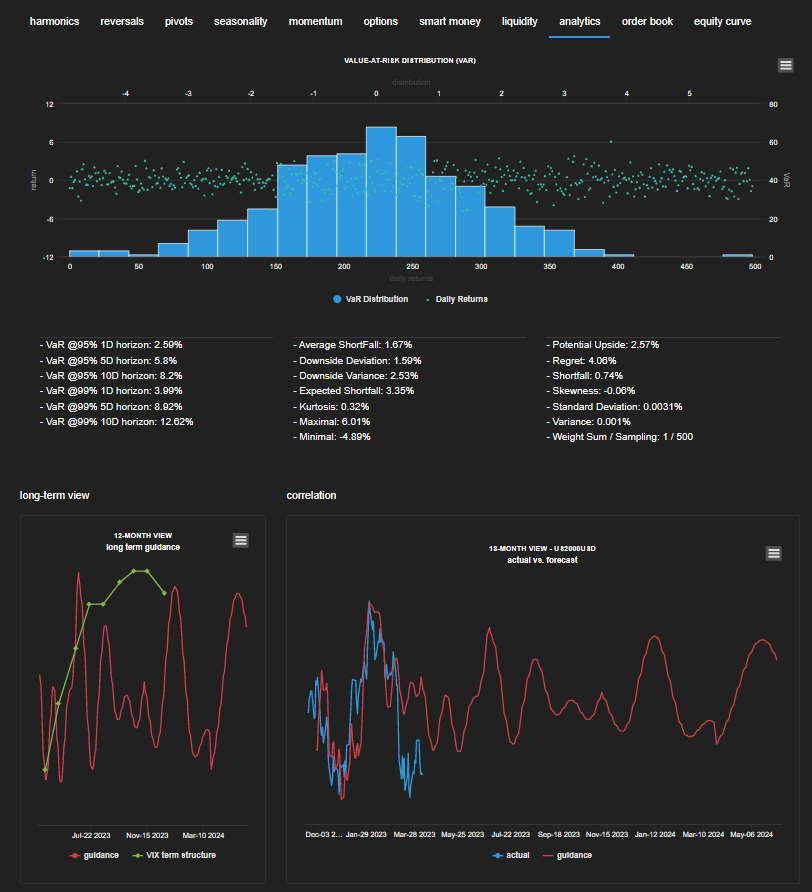
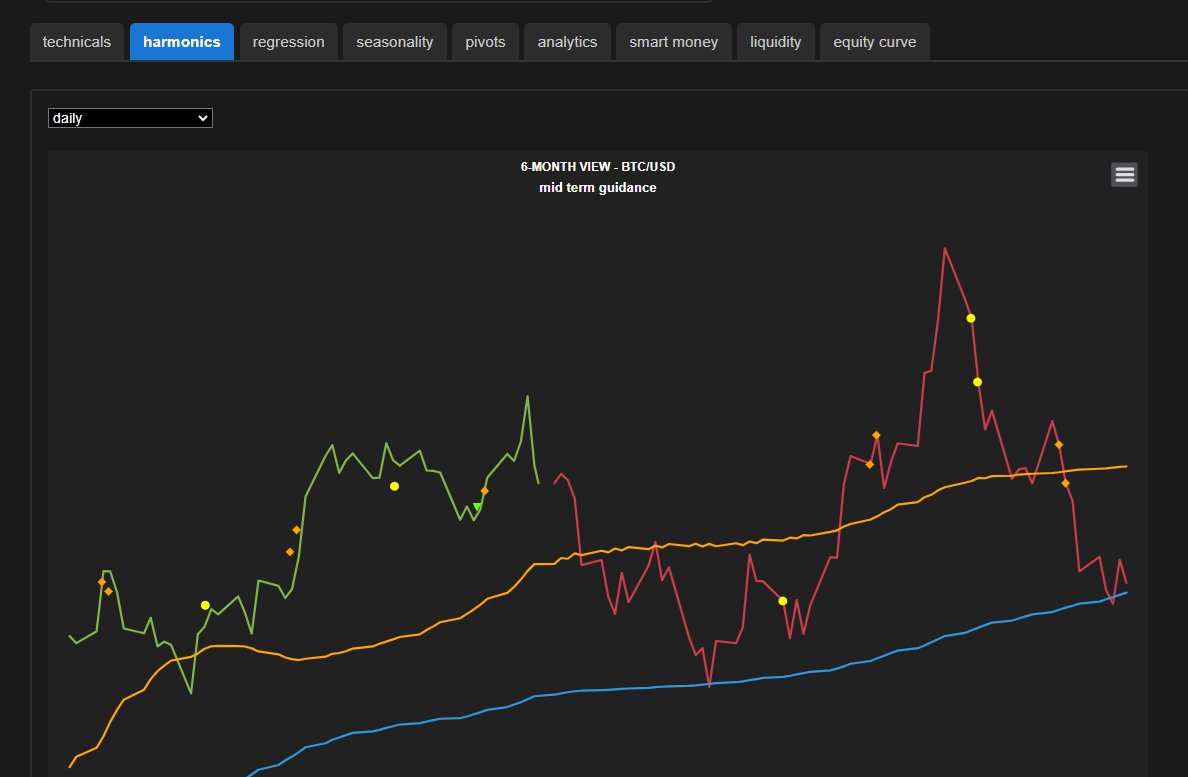
Regimes, cycles, volatility, positioning, cross-asset evidence and systematic research.
All supported accounts normalized into consolidated NAV, P&L, positions, exposures and attribution.
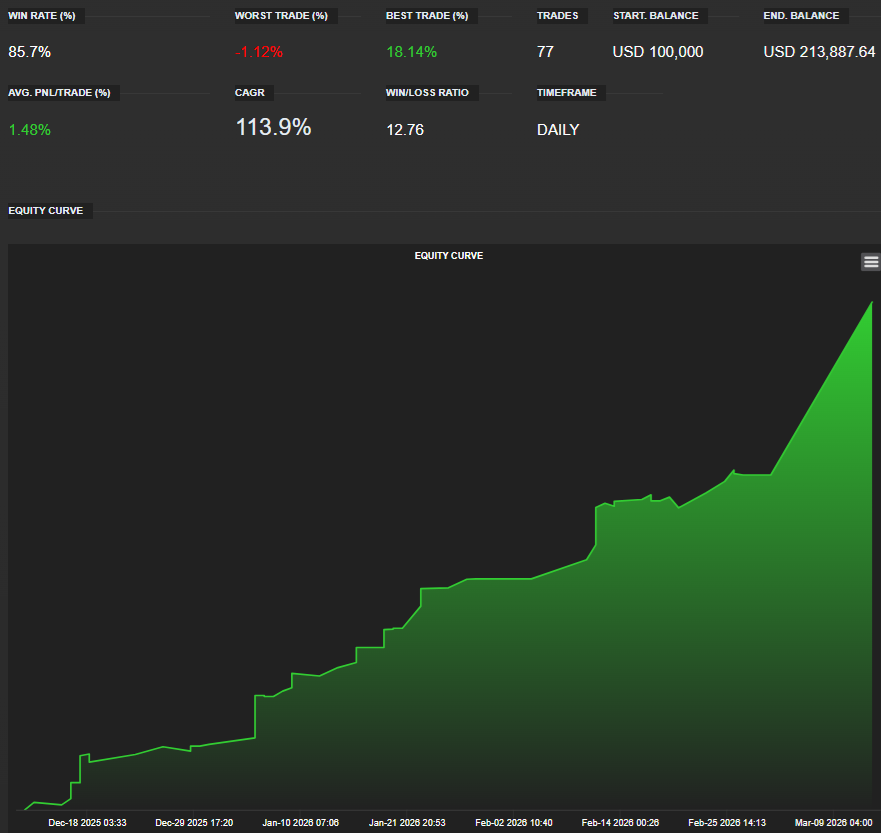
Proprietary models, strategies, signal context and evidence developed through a seven-year research programme.
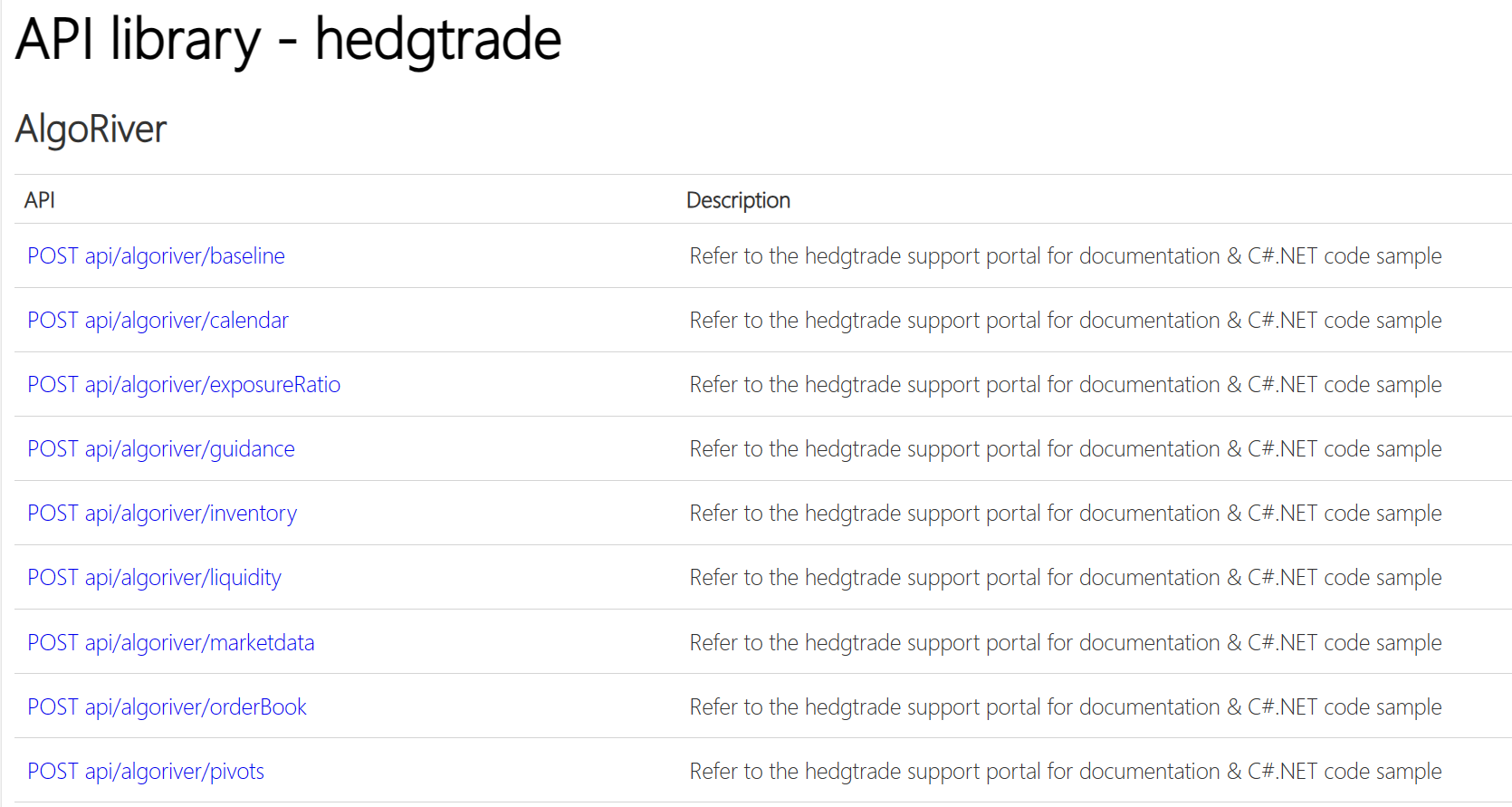
Orders, routing, account selection, controls, fills, reconciliation and audit workflow from the same operating layer.
Individual competitors may be stronger in a single specialist category. Hedgtrade is being built around the continuous workflow from market evidence to portfolio consequence to controlled execution. Developed from the research and trading infrastructure of a fund management business, the platform is built around the realities of active portfolio management and trading.
Intelligence at the center. Infrastructure underneath it.
Research
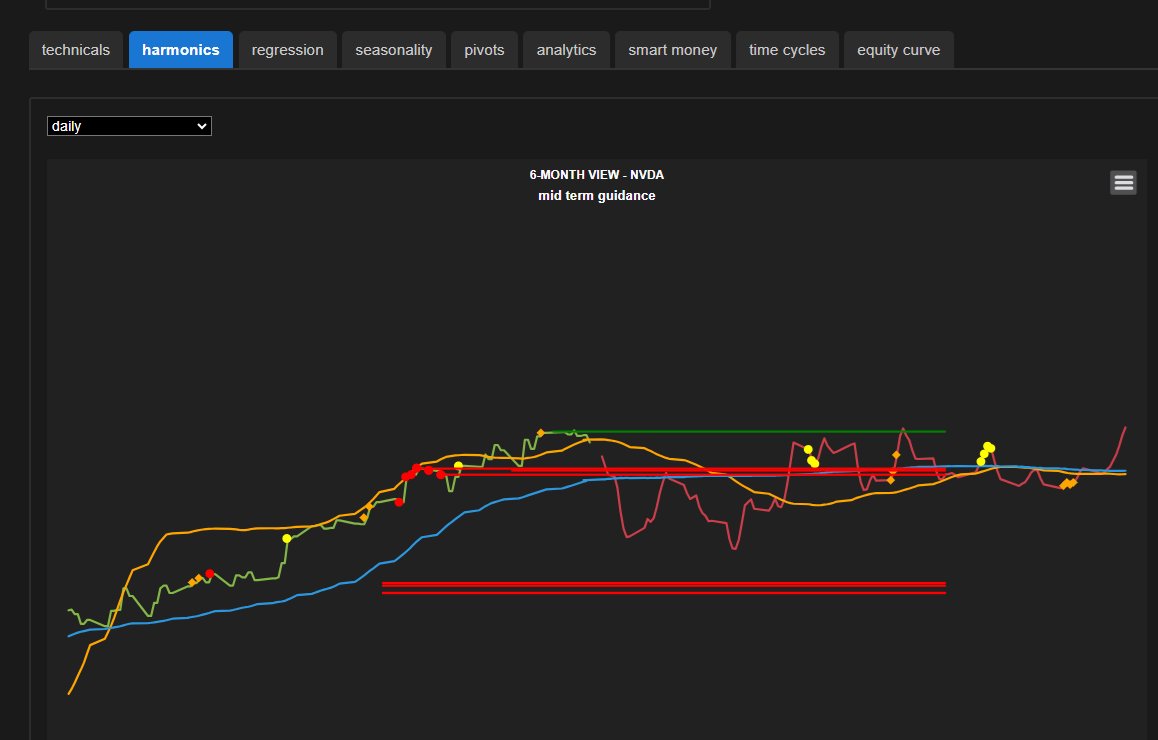
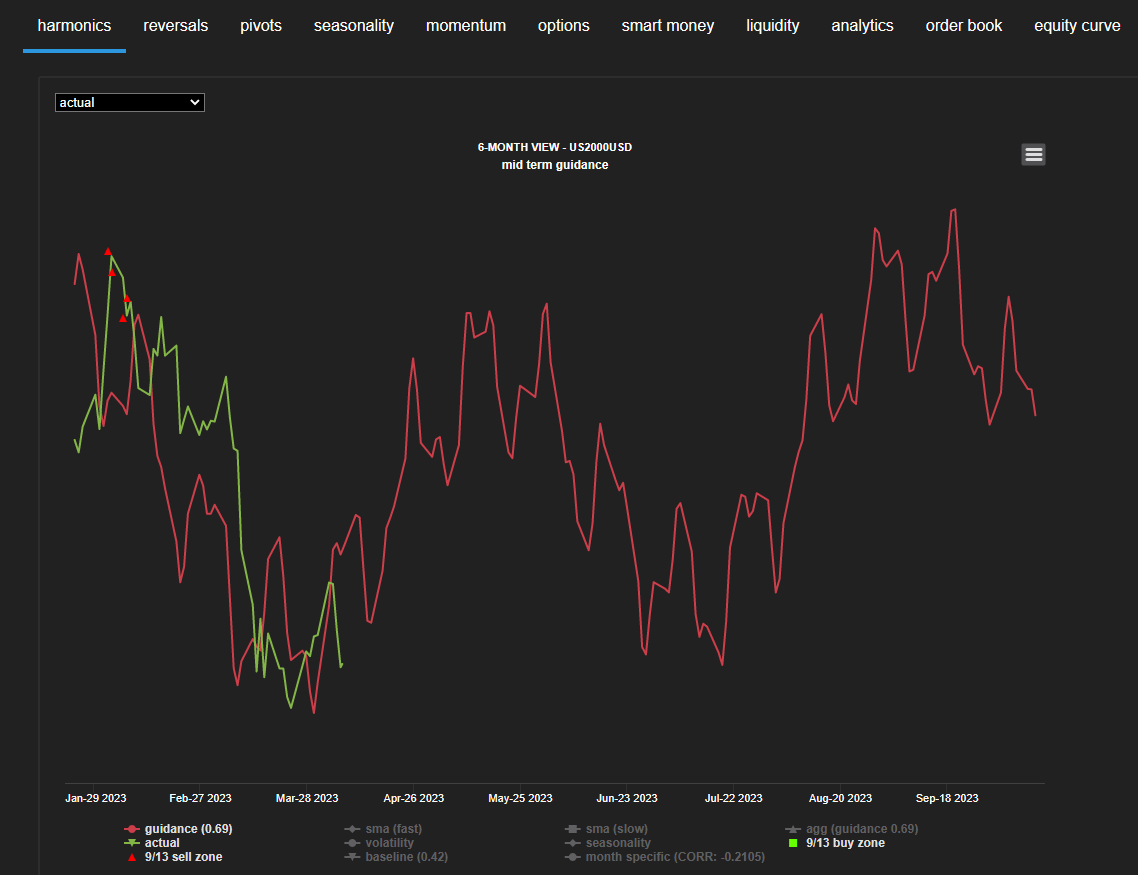
Seven years of proprietary quantitative market intelligence: regimes, cycles, volatility, liquidity, positioning, cross-asset behavior and systematic models.
Portfolio
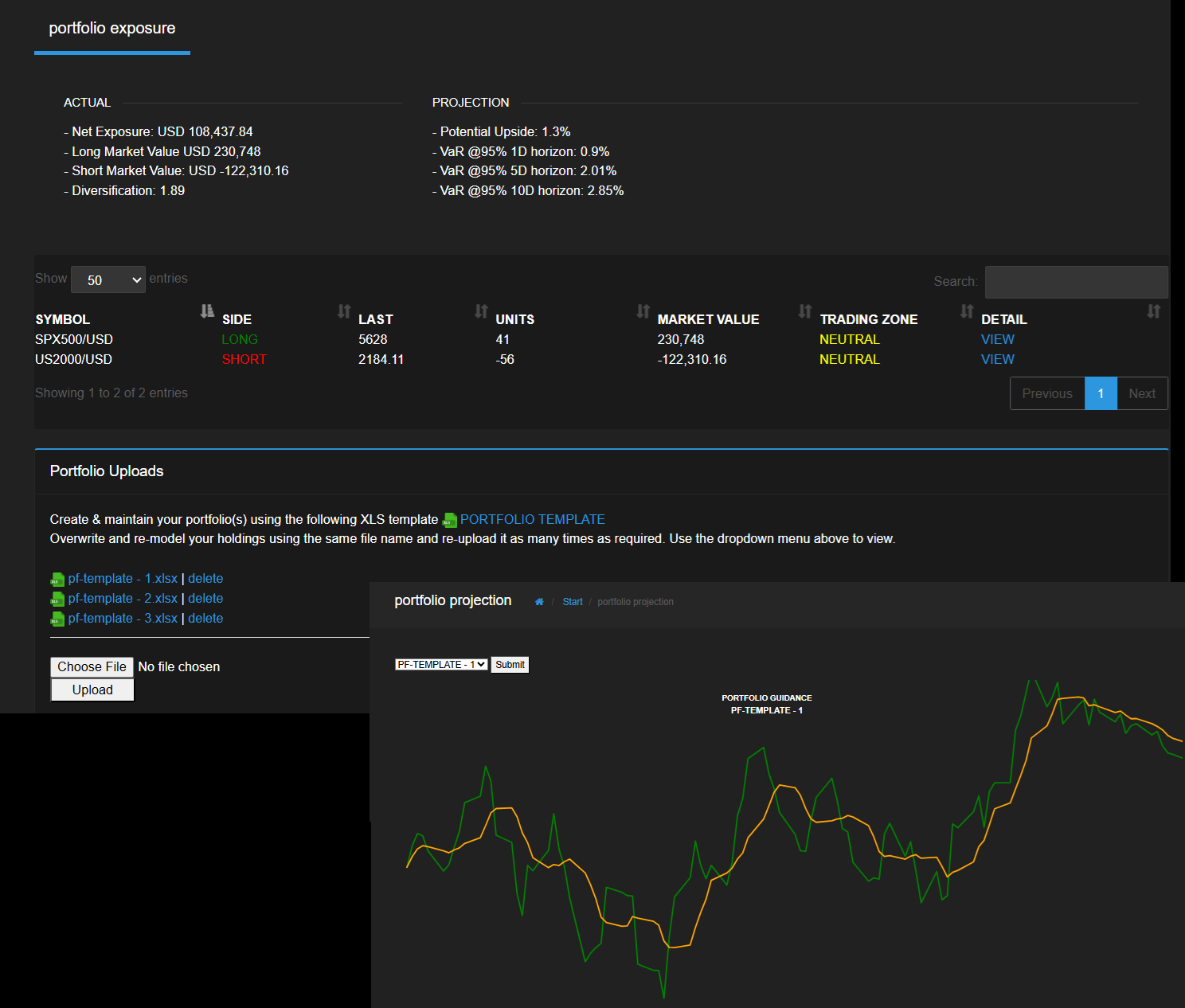
One normalized view across connected brokers and sub-accounts: NAV, realized and unrealized P&L, positions, exposure and attribution.
Risk
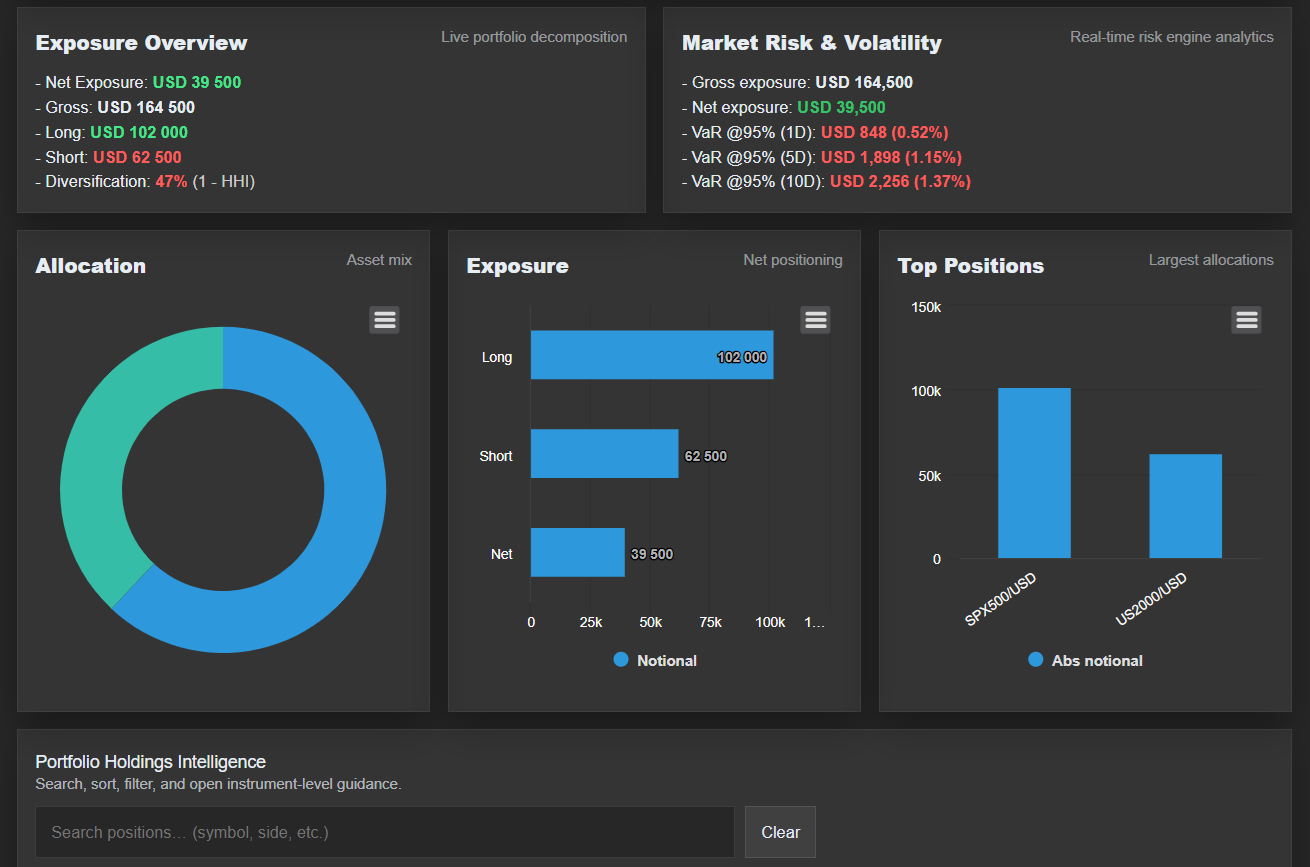
Portfolio-level gross/net exposure, leverage, concentration, drawdown, scenario context and account or strategy controls.
Execution
OMS/EMS capability for orders, allocation, routing, fills, cross-account workflow, reconciliation and execution audit.
Every broker gives you an account. Hedgtrade gives you the portfolio.
Serious active investors and professional traders often operate across multiple brokerage accounts, sub-accounts, strategy sleeves and currencies. The individual platforms may be perfectly capable; the problem is that the investment operation is still fragmented.
- See all supported accounts and sub-accounts together
- Monitor unrealized P&L across brokers at the same time
- Normalize broker-specific symbols into common instruments
- Measure gross, net, long and short exposure at portfolio level
- Attribute P&L and risk by broker, account, strategy and instrument
- Move from portfolio view to order and execution workflow without leaving the platform
The broker remains the execution and custody infrastructure. Hedgtrade becomes the operating layer above it.
The OMS/EMS is useful. The intelligence behind it is what makes Hedgtrade different.
Broker connectivity is enabling technology, not the moat. Hedgtrade was built from a multi-year quantitative research programme before it became an execution platform. That research layer can now sit directly above the portfolio and execution workflow instead of living in a separate research product.
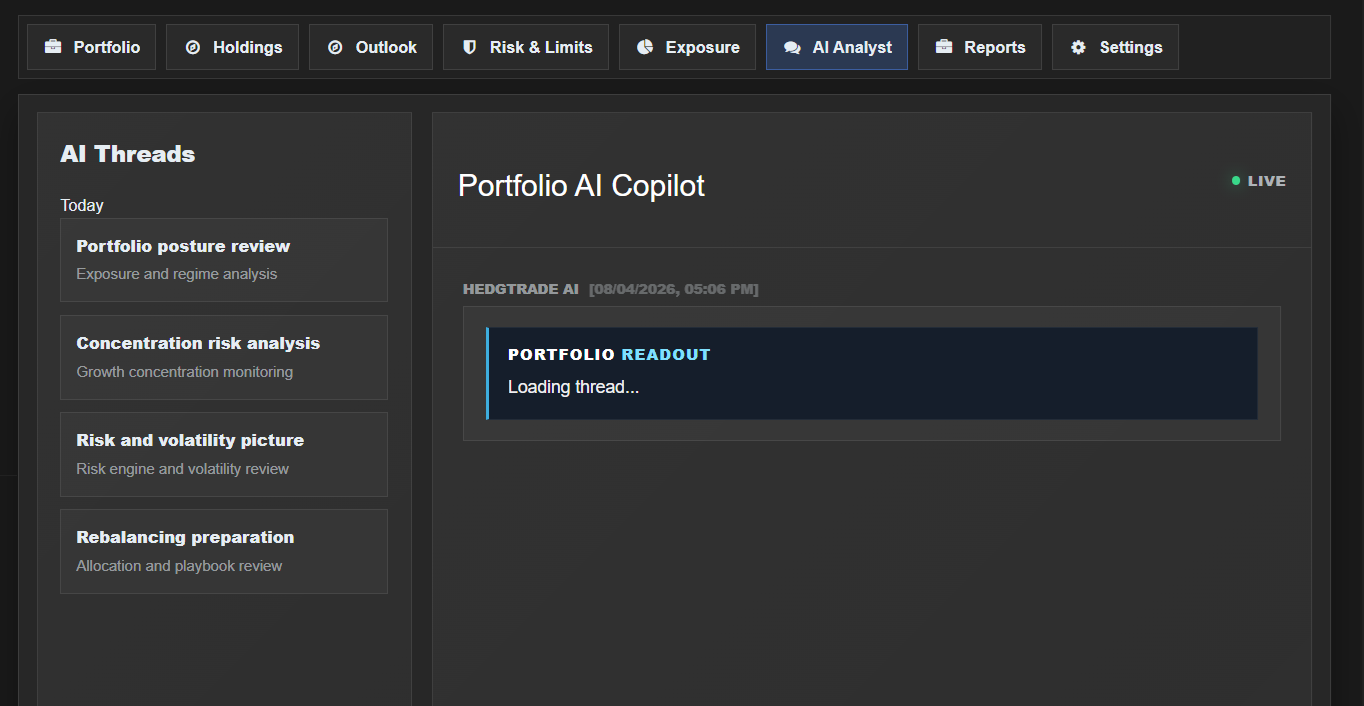
Research → portfolio → risk → execution → evidence.
The large market between casual retail and heavyweight institutional infrastructure.
Hedgtrade is designed for market participants who have outgrown disconnected retail tools but do not need the cost, complexity or implementation burden of a legacy enterprise stack.
Serious active investors
Self-directed investors managing meaningful capital across more than one account or strategy.
Professional & systematic traders
Traders who need consolidated exposure, disciplined risk and a repeatable execution workflow.
Prop & small trading firms
Multi-account operations that need one control layer above individual broker platforms.
Emerging managers & family offices
Smaller professional investment teams seeking institutional workflow without enterprise-system economics.
Trader Pro — your entire trading operation. One screen.
$149/month is intended to bring the full Hedgtrade proposition together: proprietary intelligence, consolidated portfolio, advanced risk and multi-broker OMS/EMS functionality as connected execution rolls out.
- Connect multiple supported brokerage accounts
- Consolidate positions, P&L and exposure
- Use Hedgtrade quantitative research and market intelligence
- Manage orders and execution across connected accounts where enabled
- Attribute results by account and strategy
- Operate from one institutional-grade workspace
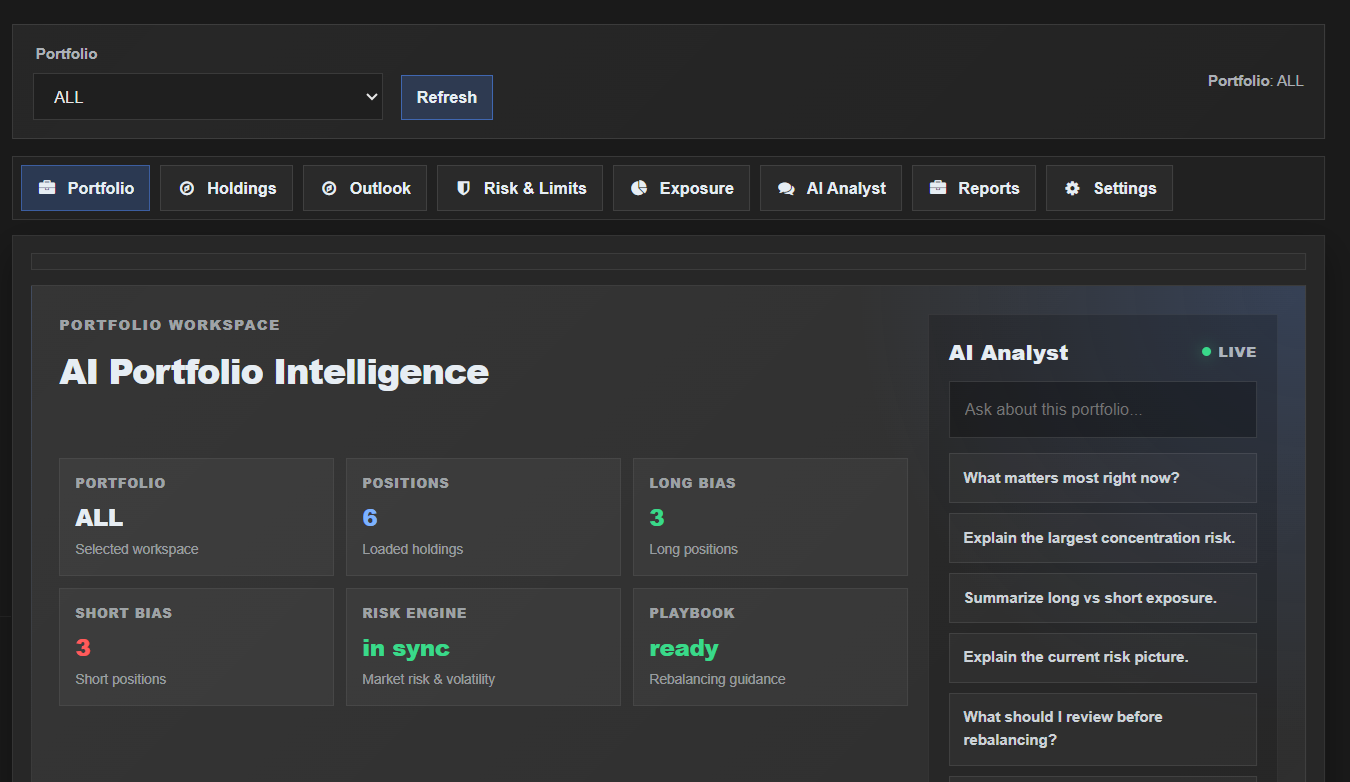
Broker-independent by design.
Connect supported brokerage accounts while keeping portfolio management, risk, intelligence and execution inside one Hedgtrade operating layer.
*Connectivity breadth is an infrastructure opportunity, not a claim that every account at every firm is currently live in Hedgtrade. Availability is broker-, account-, permission- and jurisdiction-dependent.