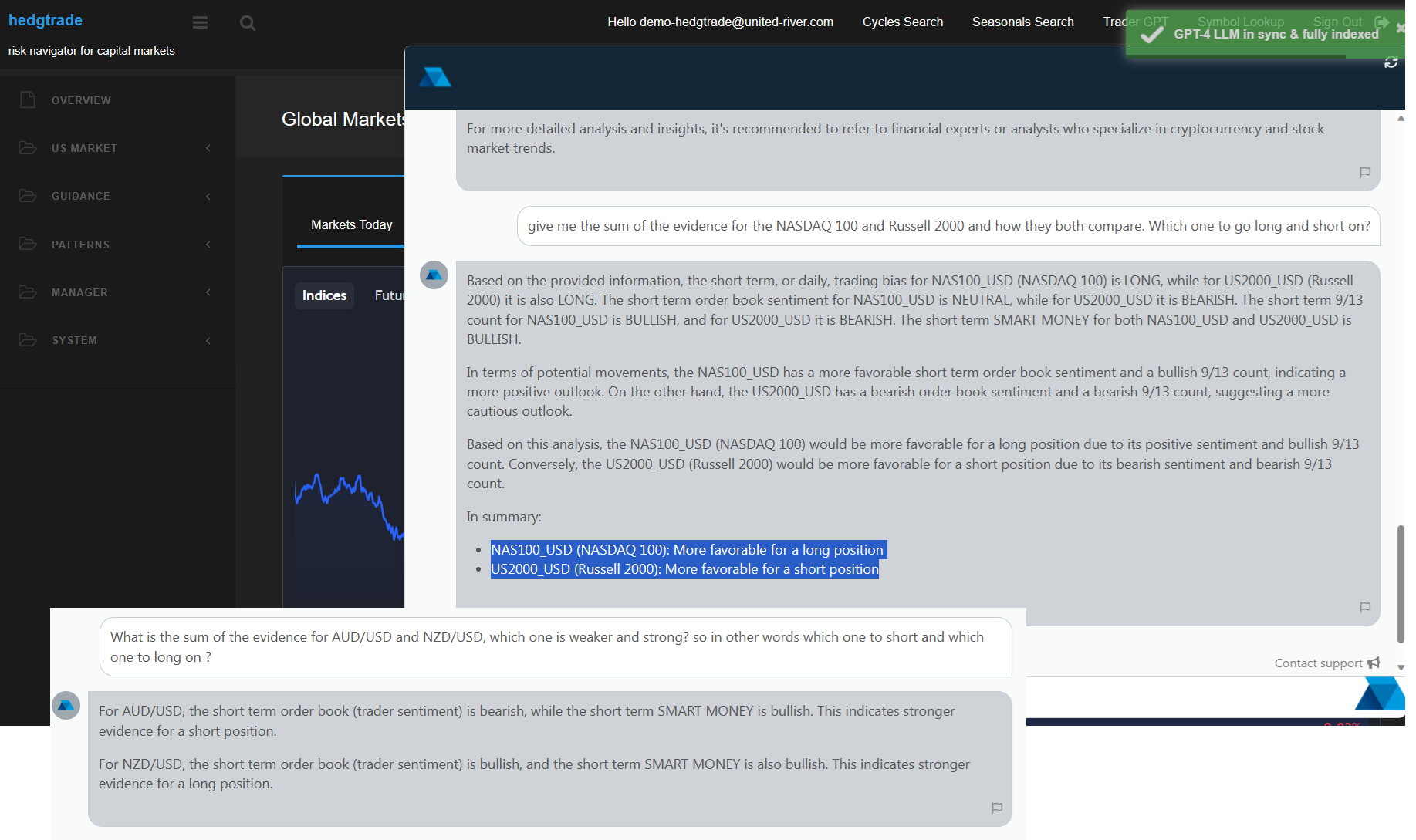
The research engine at the center of Hedgtrade.
Connectivity and execution infrastructure can be sourced or replicated. Hedgtrade's differentiation is the proprietary quantitative research and market-intelligence stack built over seven years and now integrated directly with portfolio, risk and execution.
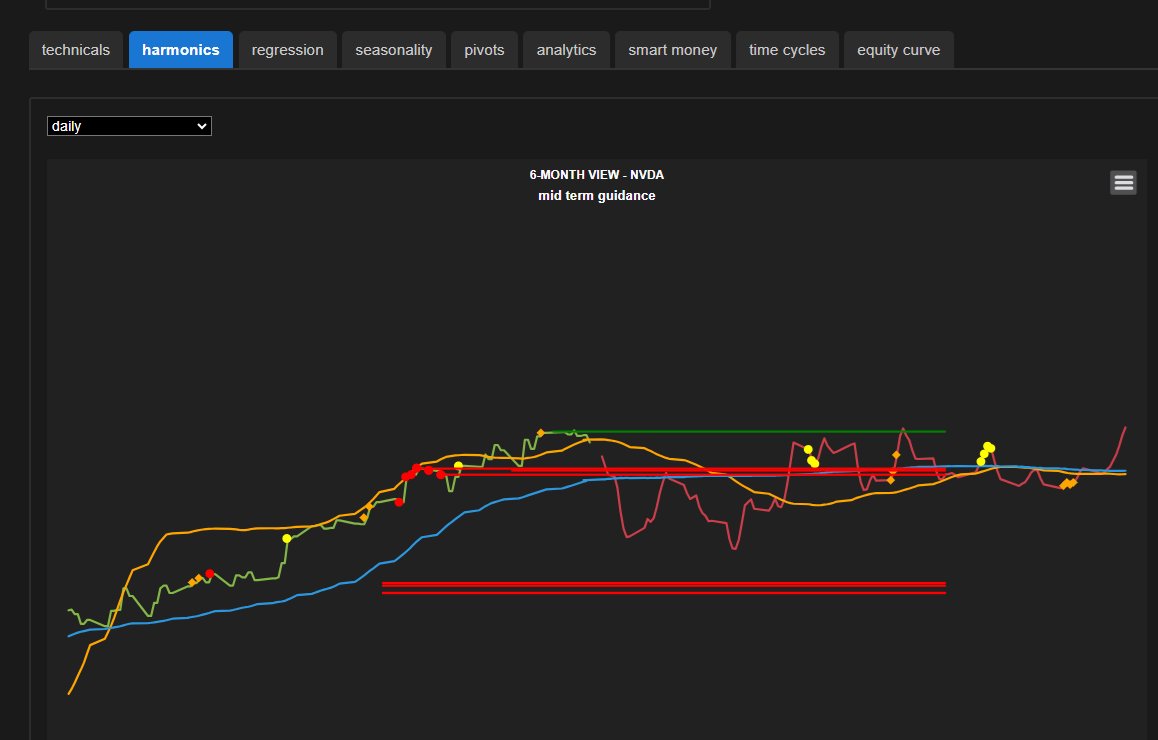
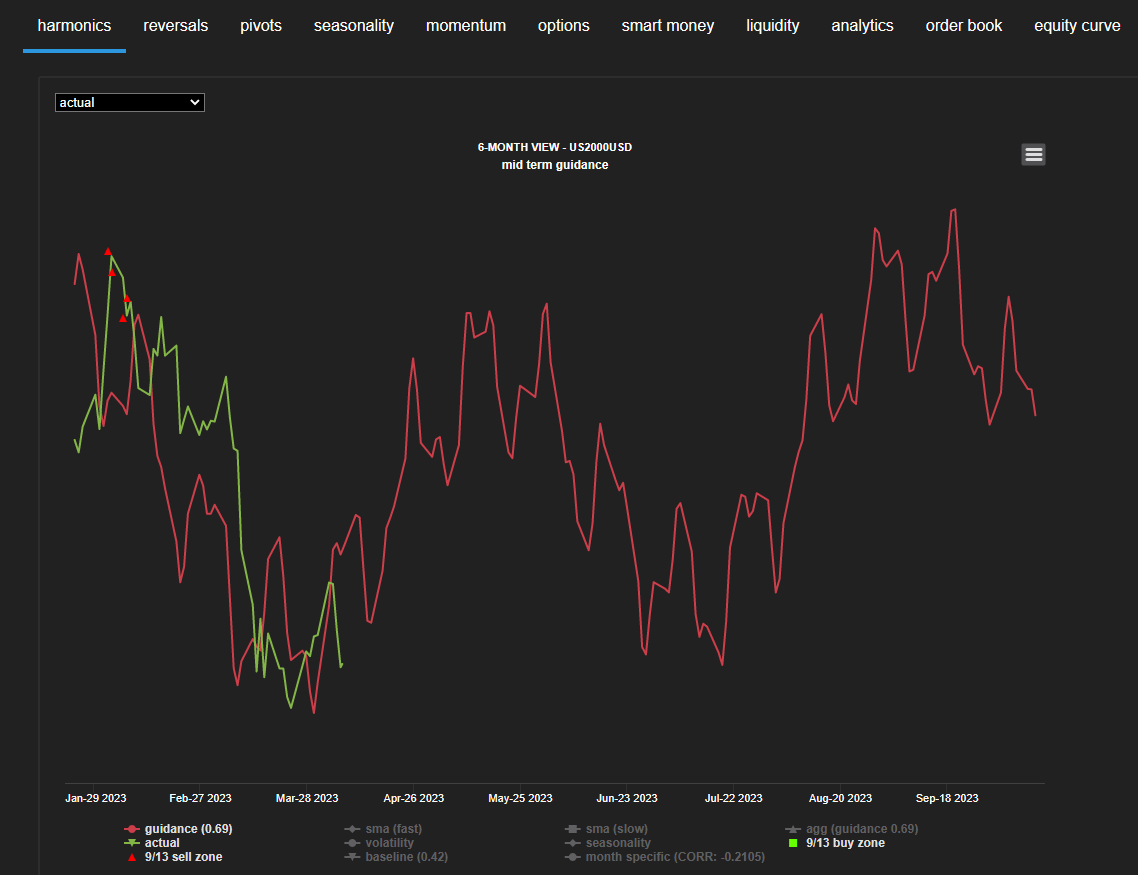
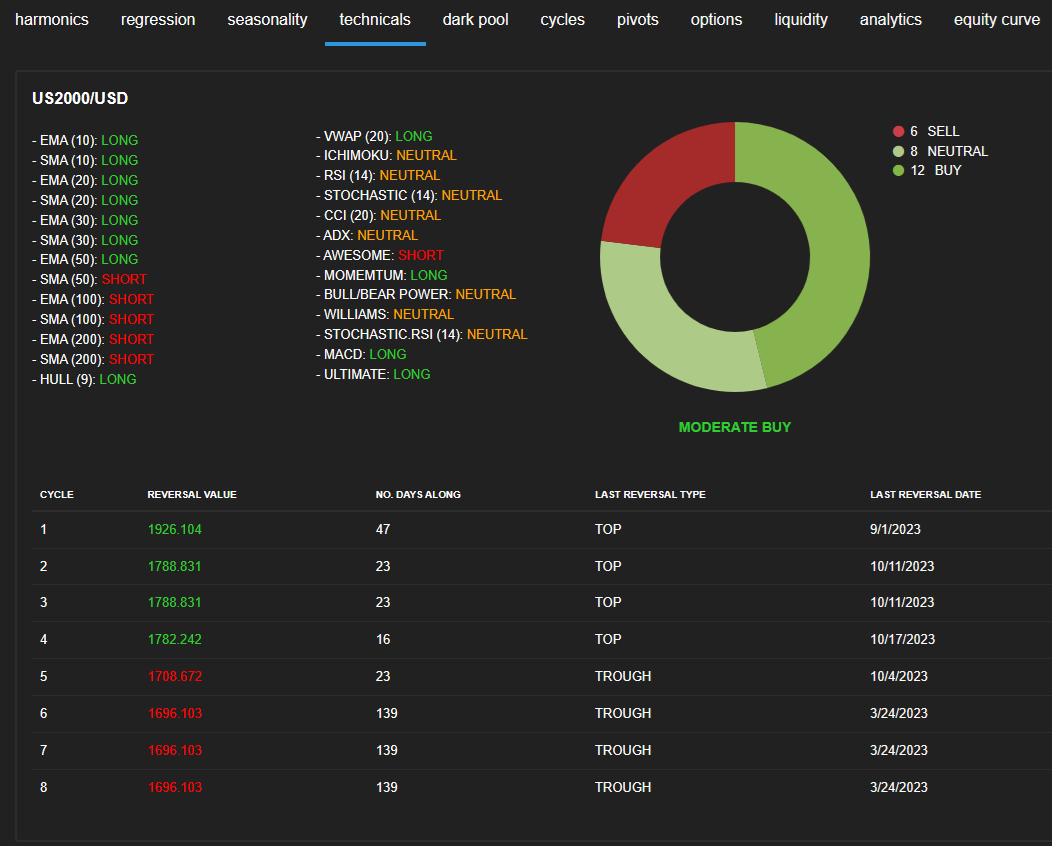
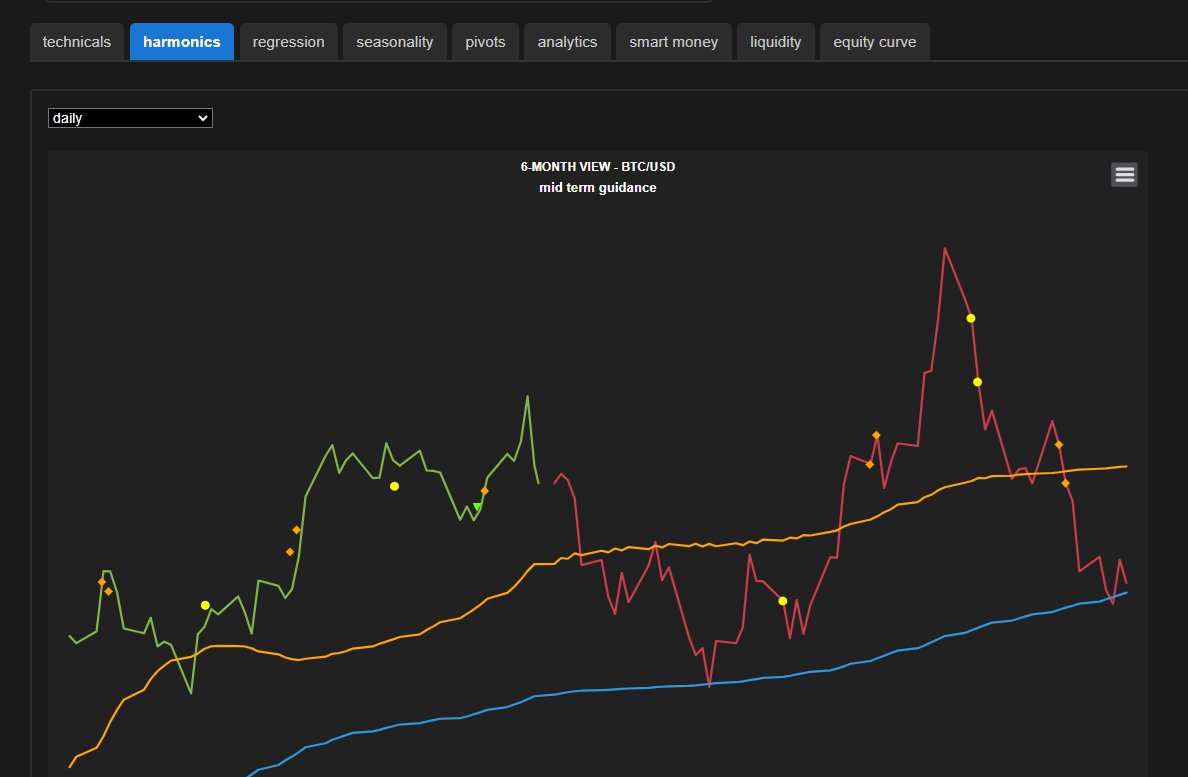
The platform should help answer what to do — not only provide a place to do it.
A broker terminal can execute an order. An OMS can manage an order. Hedgtrade's research layer is intended to improve the context around the decision itself: market state, timing, portfolio consequences and systematic evidence.
Systematic
Repeatable analytics and model rules create evidence that can be reviewed, challenged and retested.
Contextual
The same signal can behave differently across trend, range, liquidity shock and volatility-expansion regimes.
Portfolio-aware
Market intelligence becomes more useful when interpreted against actual exposures, strategies and risk constraints.
Begin with what the market is doing — not what you want it to do.
Hedgtrade organizes market evidence into independent but connected lenses: trend and regime, cycles and timing, positioning and breadth, volatility and liquidity, and cross-asset relationships.
- Multi-horizon regime classification
- Trend, reversal and technical structure
- Cycle and recurring-behavior analysis
- Liquidity, volatility and distribution context
- Breadth, positioning and options evidence where supported
- Cross-asset confirmation and disagreement
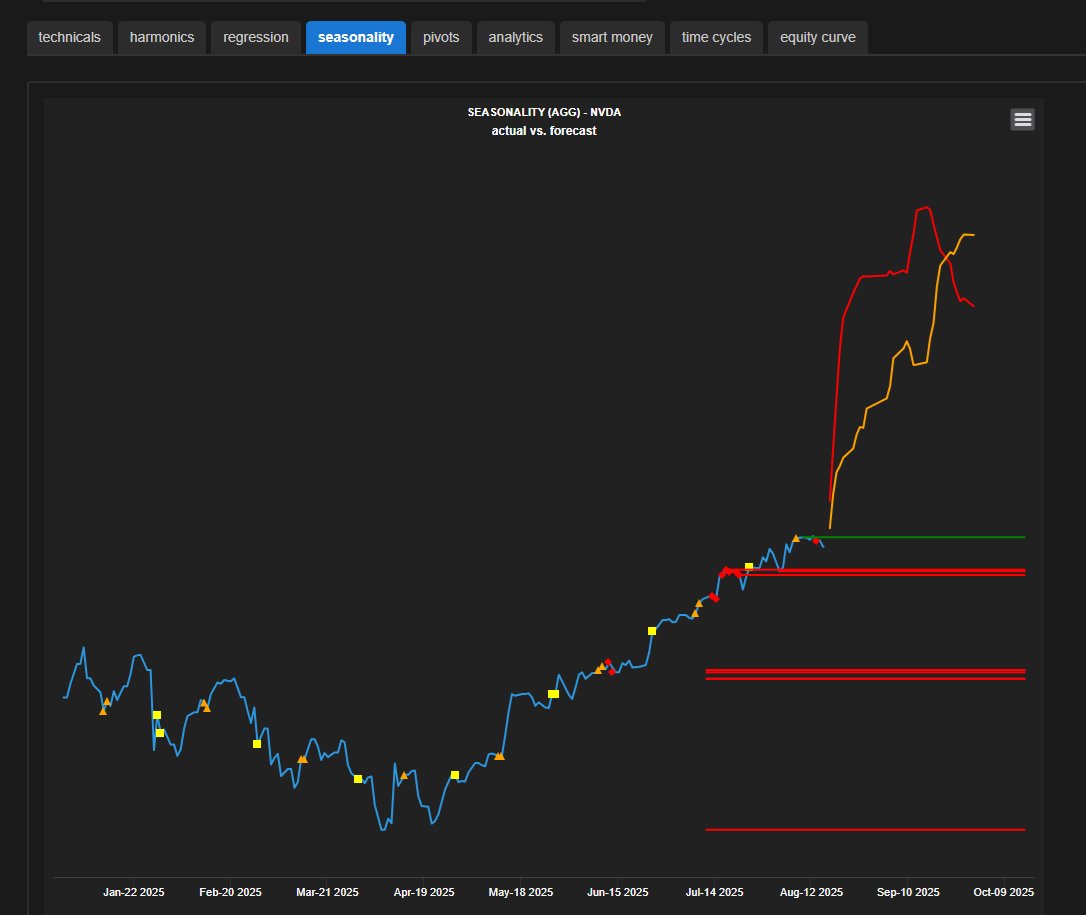
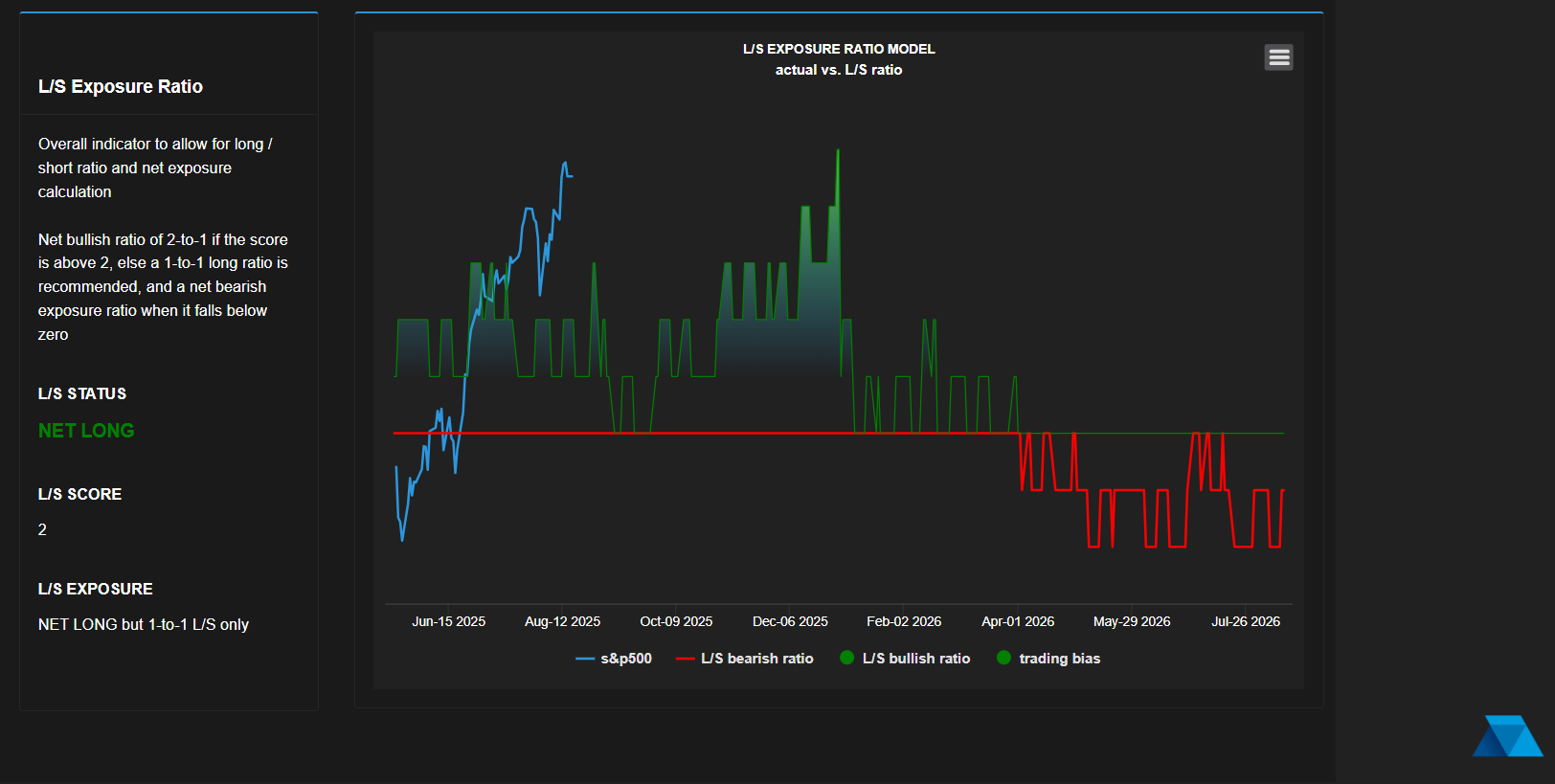
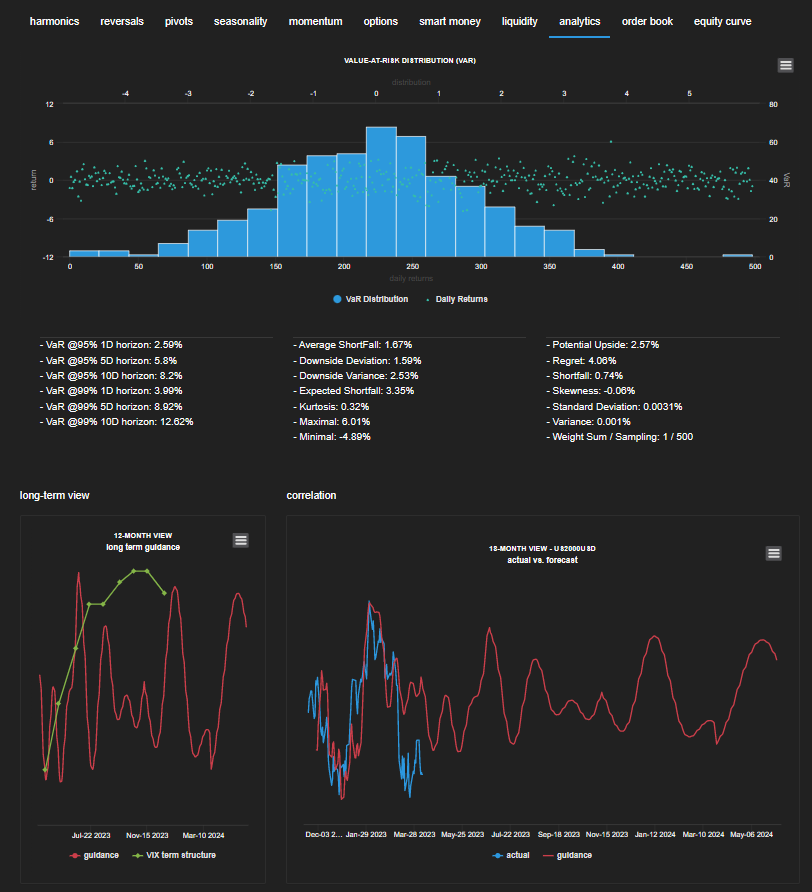
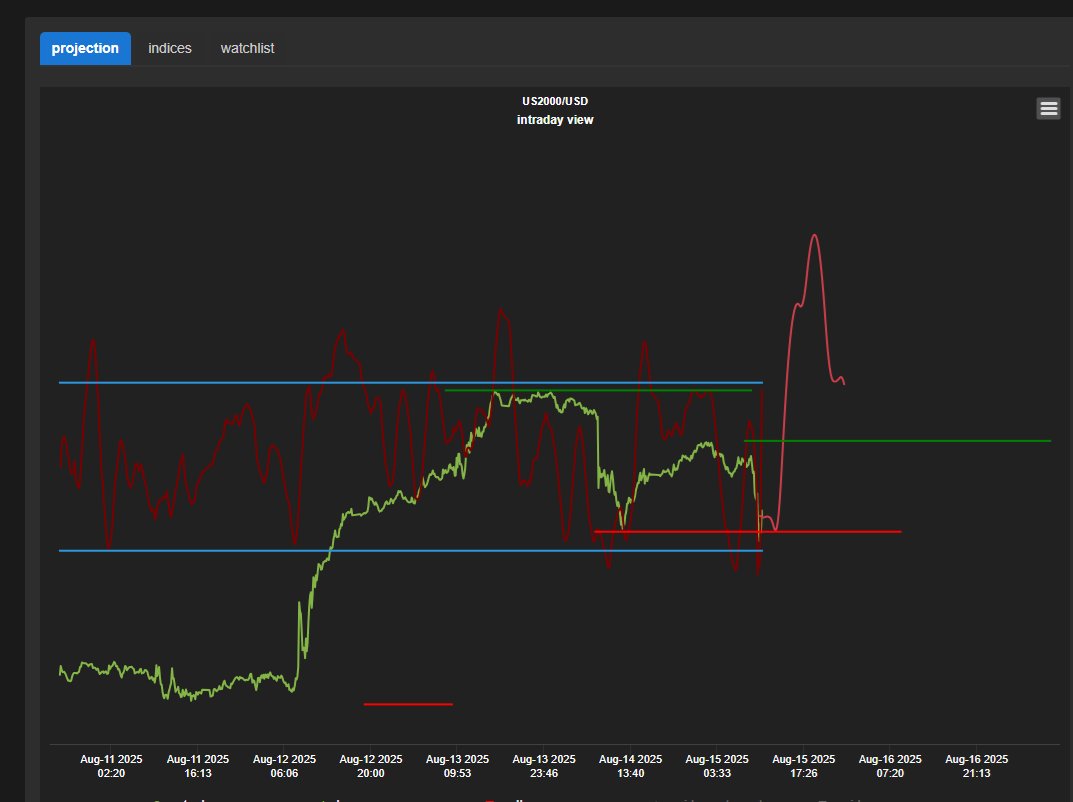
Make every layer explicit rather than hiding the decision inside a black box.
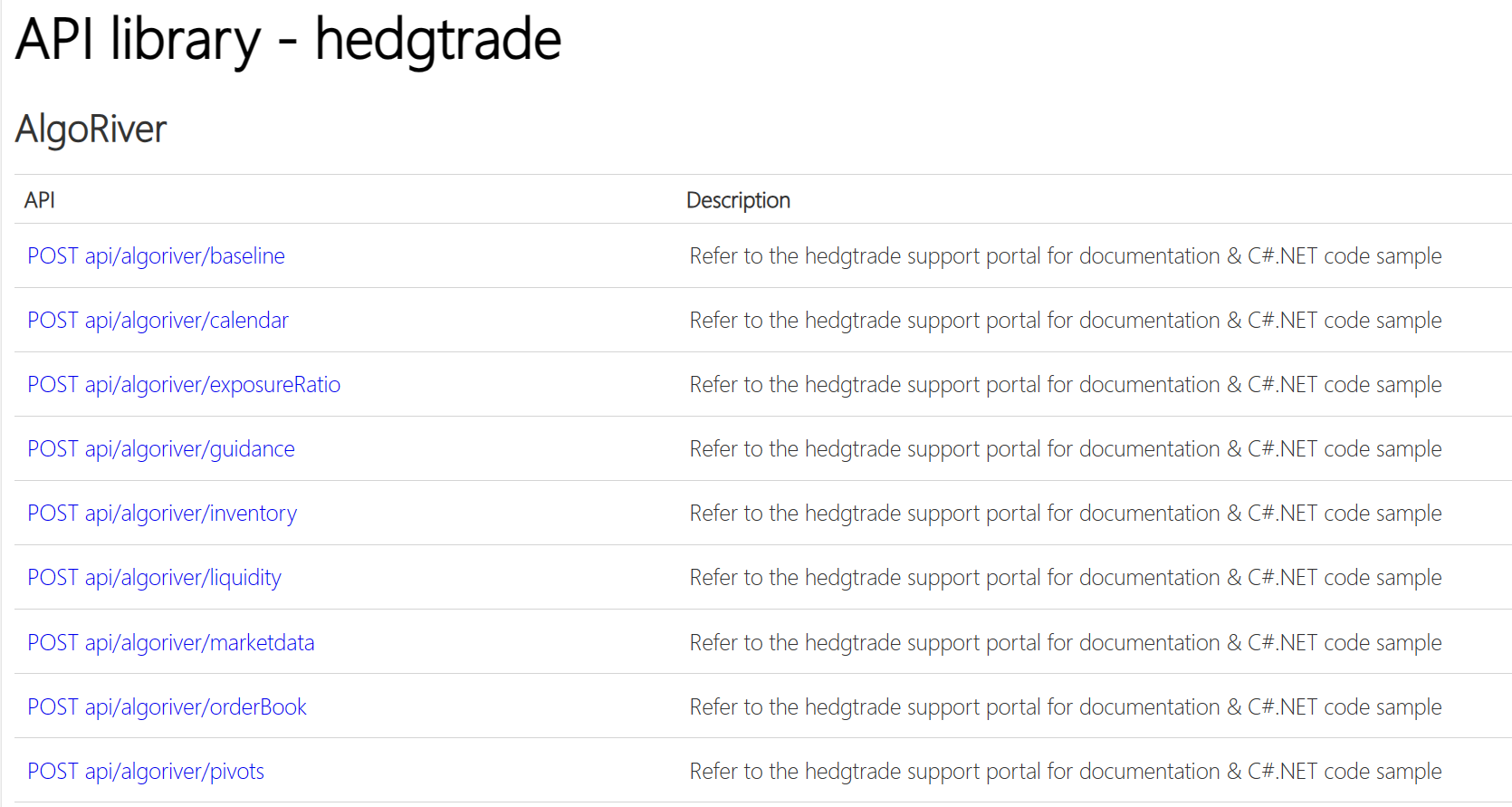
Hedgtrade separates evidence, intent, portfolio allocation, risk control and execution. That creates traceability from why a position was considered to what the broker actually filled.
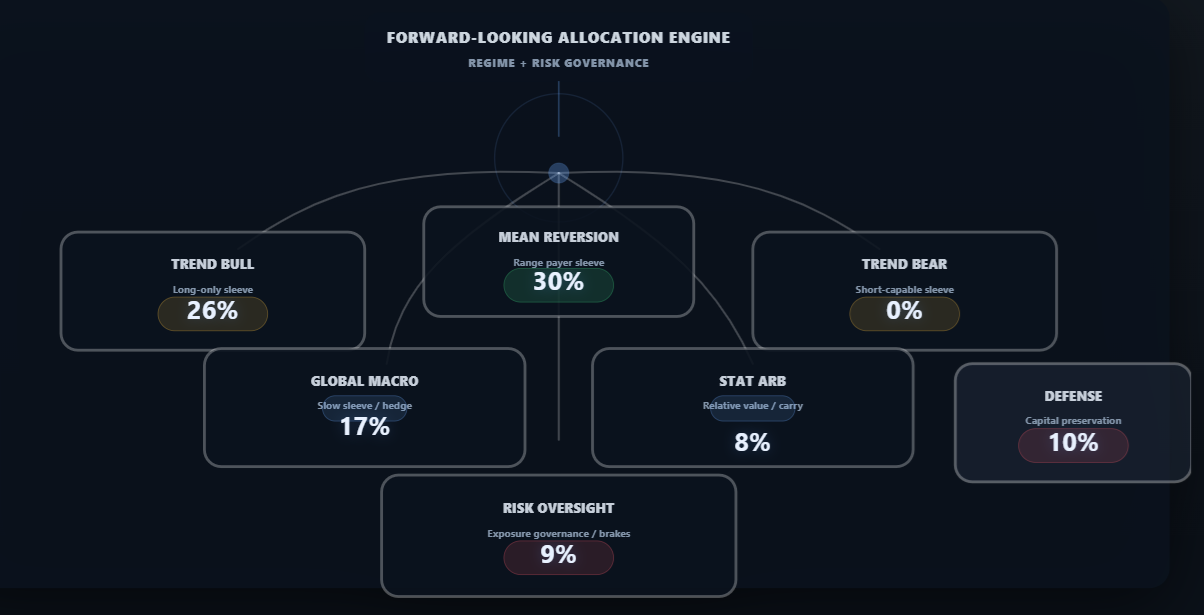
Most ideas should fail before capital sees them.
The systematic research programme behind Hedgtrade has evaluated hundreds of ideas and configurations. The objective is not to accumulate indicators; it is to reject fragile ideas and preserve the evidence trail around those that survive.
In-sample / out-of-sample
Research and validation periods are kept conceptually separate wherever the data permits.
Risk with return
Profit factor, drawdown, path dependency and concentration matter alongside headline returns.
Forward evidence
Live and broker-connected records are distinguished from backtests and simulated results.
Use AI after structured evidence exists.
AI is used to interpret, summarize and connect quantitative evidence. It does not turn unsupported narrative into a signal and does not erase conflicting evidence.
Hedgtrade is designed to make evidence, uncertainty and portfolio consequences more visible — not to pretend markets can be reduced to one magic indicator.